/ Where it hurts
Does your elbow hurt?
This is not just “I overdid it”. It is a signal that the movement works wrong.
We work step by step — from removing pain to building strength, under medical supervision.
Leave your number — then pick what suits you: Telegram or a call. No commitment.
/ Signs
What people come in
complaining about
Pain on the outer side
what is called tennis elbow.
Pain on the inner side
golfer elbow.
Pain when gripping
hard to hold a cup or open a jar.
Pain when pressing, pulling, doing pull-ups
the load became unavailable.
Radiates into the forearm or hand
and it is unclear where it actually comes from.
It hurts even in daily life
turning a key, opening a door.
/ What it means
The name of a diagnosis
does not solve the problem
“Tennis elbow” is a description, not a cause.
- elbow pain is rarely a problem of the elbow alone
- most often the cause is tendon overload, weak forearm control or how the shoulder works
- rest takes the pain away but does not change the load — so it comes back
- if the movement does not change, the load keeps returning to the same spot
We treat not the name but what led to it.
/ Who it is for
This is for you if…
- you hold a racket — tennis, padel, squash
- you started doing pull-ups or barbell rows — and the elbow spoke up
- it is hard for you even to turn a key in a lock
- you work with your hands — a craftsman, hairdresser, massage therapist, dentist
- you were told “this is tennis elbow” and prescribed rest, and it did not pass
- it hurts after working at a computer
People who come to us are not athletes — they are people who want to move, sleep and sit normally without pain.
/ The cause
Why it hurts right here
The elbow sits in the middle of the chain “shoulder — elbow — hand”.
It rarely gets overloaded on its own — usually it takes on the work its neighbors could not handle.
We look at how the elbow works under load, how the forearm engages, what the wrist and shoulder do. So we assess the whole arm, not just the painful spot.
What happens,if you do nothing
A tendon does not tolerate “pushing through”. You reduce the load, change your grip, avoid certain movements — and the pain seems to back off. But as soon as you return to your usual routine, it starts over. Chronic tendinopathy takes longer and is harder to treat than a fresh one.
/ First visit
What happens at the first visit
It will not hurt. This is not about enduring, it is about understanding your movement — 90 minutes at a comfortable pace, and you leave with a plan.
We check joint mobility and muscle strength, palpate the area you complain about, take your history and run functional tests.
We try the first exercises and watch how your body responds — without sharp pain.
What exactly is holding the pain, which movement patterns are off, and a clear route forward. No pushing.
/ Proof
What you take
at the first visit
Not an opinion “in words”, but a written report: complaints, examination data in numbers, a conclusion and recommendations. Here are three real ones — different cases.
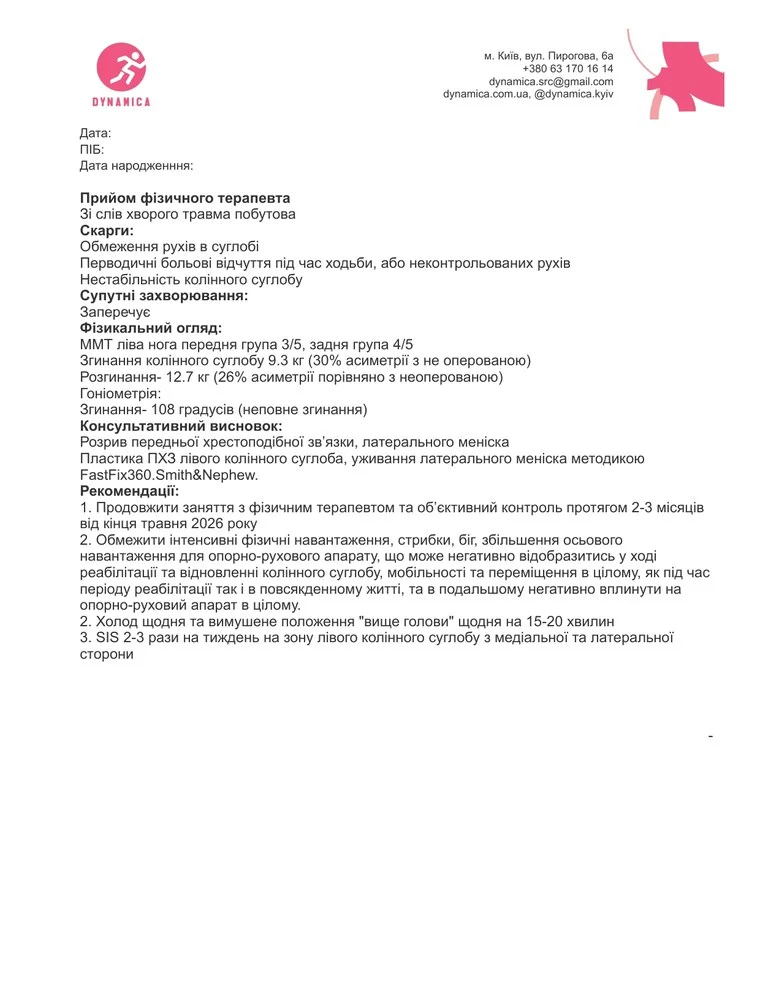
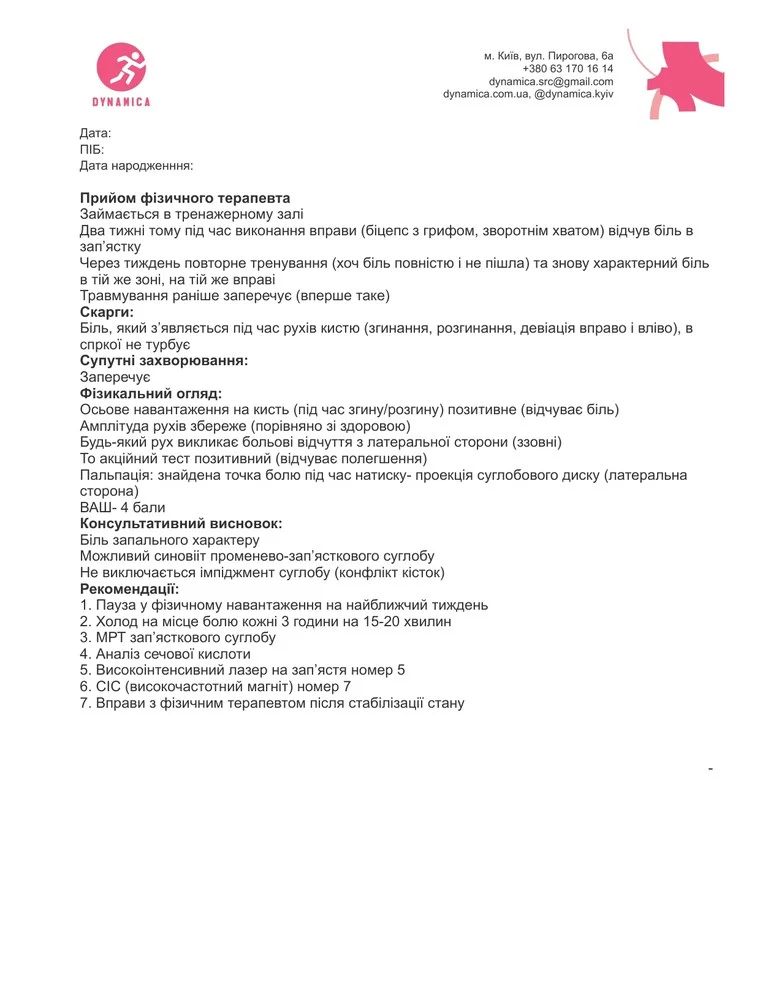
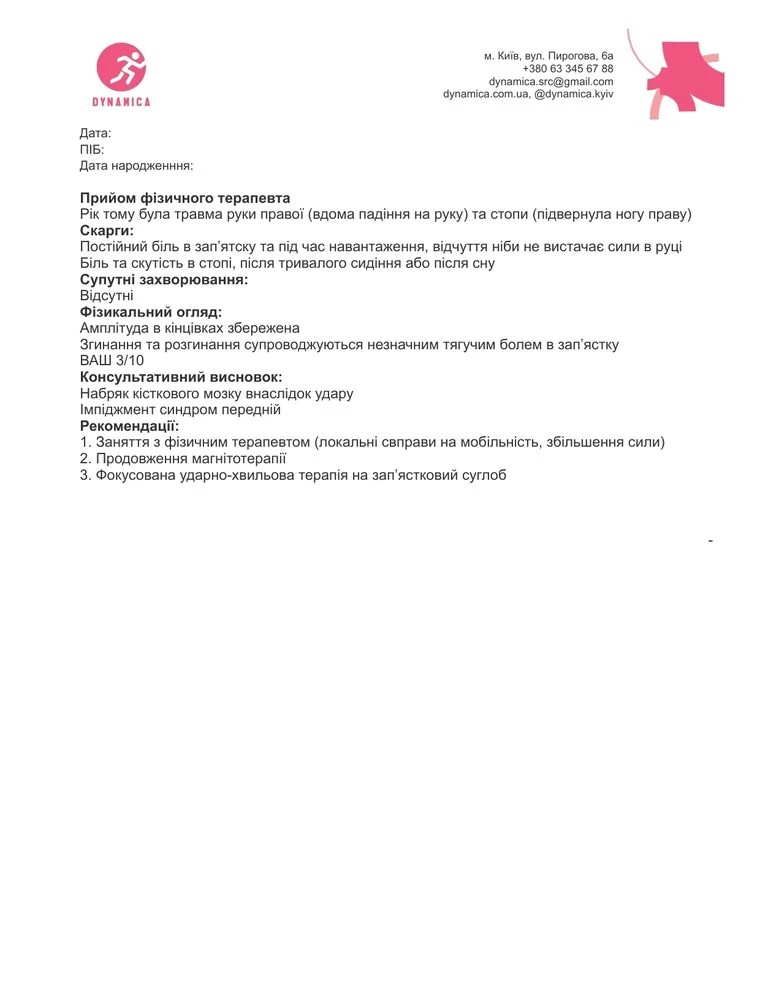
Real reports. Personal data hidden.
/ Recovery route
How we work:
from pain to strength
How long does it take? The first changes in movement control are noticeable within a few weeks. Strength and endurance are months of systematic work. We will be more precise after the assessment.
Stage 01 of 04 · REHAB
Unload the tendon
Reduce irritation at the attachment.
- We work out whether the pain is on the outside or the inside, and what keeps it there.
- We take load off the overworked tendon.
- Shockwave and laser — where indicated.
Stage 02 of 04 · MOVE SAFE
Regain control
The elbow suffers for what the shoulder and wrist fail to do.
- We switch on the forearm and the shoulder stabilisers.
- We restore a stable movement pattern for the arm.
- We correct grip and working position.
Stage 03 of 04 · MOVE SMART
Dose the load
A tendon recovers under load that is dosed precisely.
- We find the amount of work the tissue can take.
- We control intensity to avoid a flare-up.
- We work through technique — tennis, gym, manual work.
Stage 04 of 04 · MOVE STRONG
Grip strength
The elbow is stable under load.
- We rebuild grip strength and endurance.
- We fold it back into training and daily life.
- Preventing the overload from returning.
/ Team
Who will work with you
The elbow is handled by those who work with tendon overload in sport and at work.
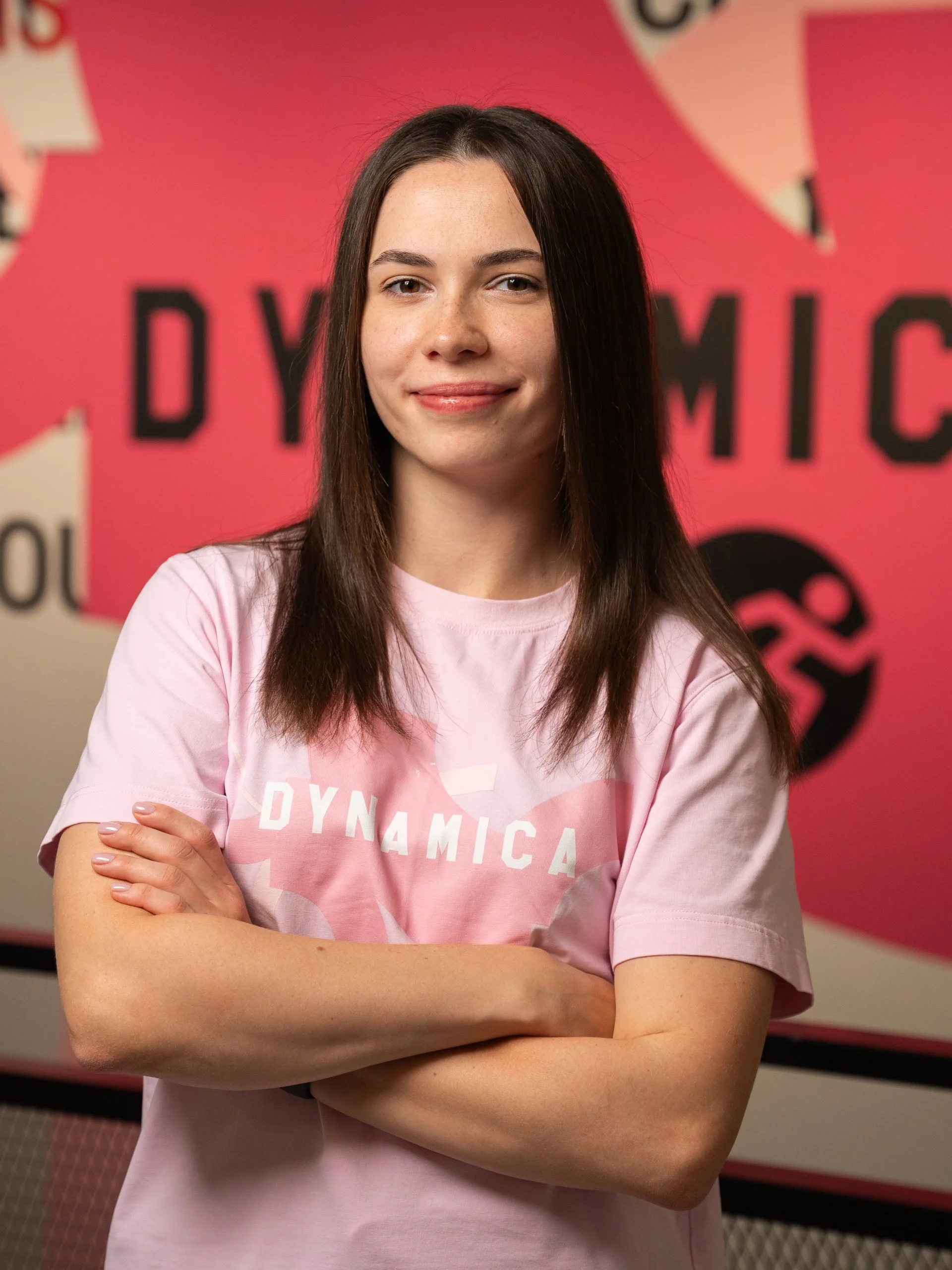 Valeriia CherniiRecovery specialistInjuries, arthrosis, chronic pain4 years+
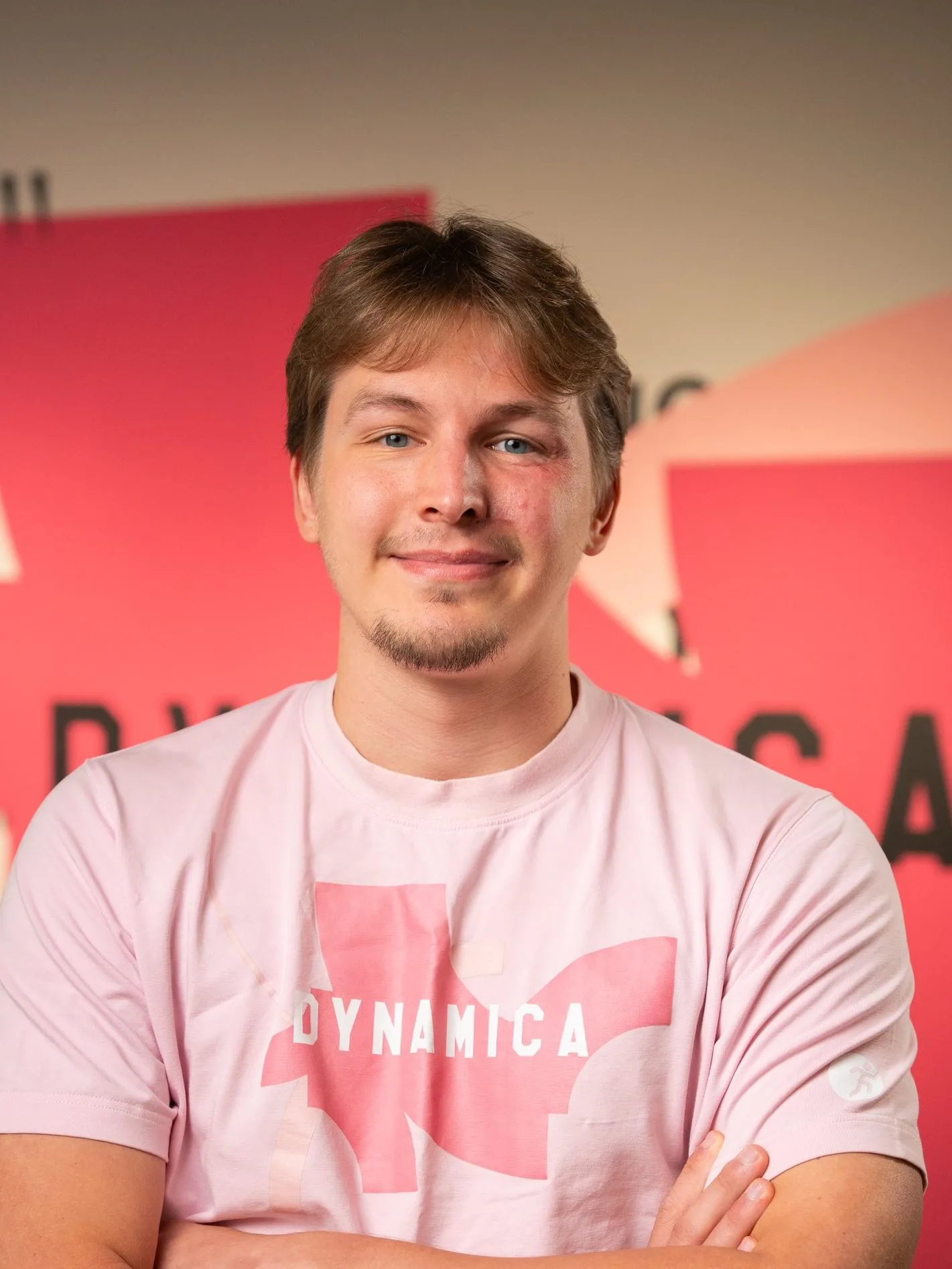 Denys SemerikRecovery specialistInjuries, training load, movement2 years+
/ Physical therapy
What can help
you get there faster
Tennis elbow lingers for months precisely because the tendon has a poor blood supply. The equipment nudges that along — but only works alongside a change in load.
This is not a separate course of procedures. Everything works inside the plan — and at the first visit it is included in the price.
Four tools. Which of them you actually need is decided by the physical therapist after the movement assessment.
/ Red flags
When you need a doctor examination
These signs mean you need a doctor first:
/ Reviews
What people say about us
“The doctor diagnosed lateral epicondylitis. Honestly, it was a bit scary, because elbow pain got in the way of literally everything.”
Алевтина Головінаelbow“Good thing they consult online — I had epicondylitis and recovered remotely with Mykyta.”
Iurii Chuianovelbow, online“At the Dynamica rehabilitation center I had an incredible recovery experience after an injury.… Every staff member is not only a specialist but a person who approaches clients with understanding and empathy.”
Tarasafter an injury“In a place like this you want to become stronger and healthier, which is what I wish for everyone!”
Dmytrii Sudarievtraining
/ First step
If your elbow hurts —
start with an assessment
The assessment will show what exactly is being overloaded and why. The movement assessment does not commit you to further work.
Movement assessment — UAH 2,000 · sessions after that UAH 1,500
/ Questions and answers
Frequent questions
I was told “tennis elbow”, but I do not play tennis+
It is just a name — the condition is more common in people who work with their hands or train than in tennis players. The mechanism is the same: overload of the extensor tendons.
Will a brace help?+
It can reduce pain for a while, and that is sometimes useful at the start. But a brace redistributes load rather than restoring what is missing. On its own it does not solve the problem.
Do I need to stop training?+
In most cases no. You need to change what overloads it — grip, volume, specific exercises. Complete rest often makes it worse: a tendon needs dosed load.
Why shockwave therapy?+
It is one of the tools for tendinopathies, and we do use it — but inside a plan, not as a standalone course. The physical therapist decides whether it makes sense after the assessment.
How long will it take?+
A tendon recovers more slowly than muscle — that is normal. We give an exact forecast after the assessment.

/ Who is responsible for this area
Reviewed by Valeriia Cherniiphysical therapistBogomolets National Medical University · injuries, arthrosis, chronic pain · BTL-Ukraine schoolSpecialist profile →19 September 2026